A Value-Add Multifamily Plan That Kept the Permanent Exit in View
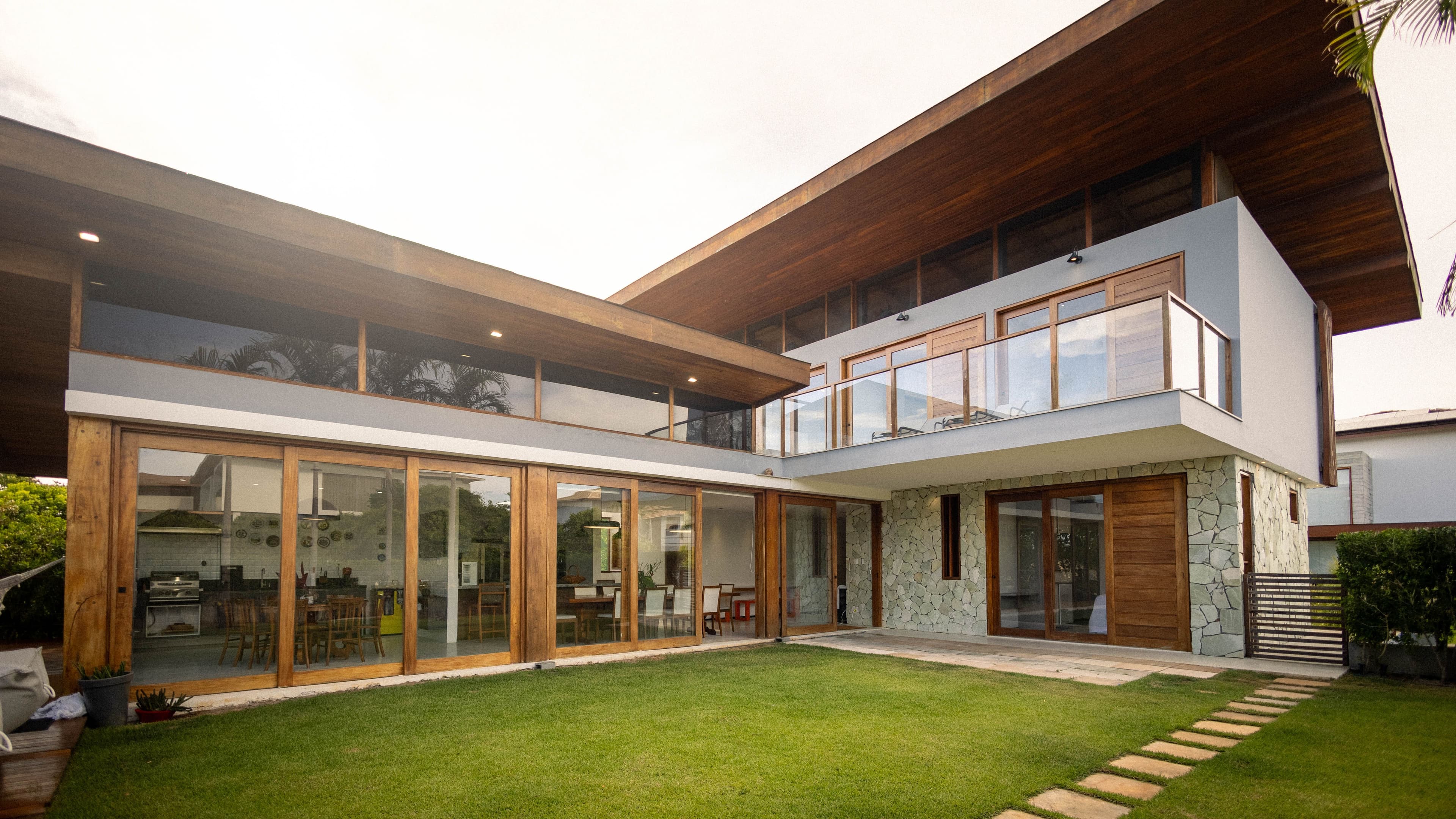
For a value-add multifamily opportunity, the bridge period can fund the transition while leasing, renovations, and operations are brought into alignment.
Important disclosure. Results vary. Prior results do not guarantee future outcomes. This educational summary is not a loan commitment, financial advice, or a guarantee of approval. Any financing request is subject to underwriting, documentation, property review, and applicable lender criteria.
The scenario
A multifamily acquisition had an operating story that was still being written. Units needed work, leasing assumptions needed to be validated, and the sponsor wanted to improve the asset before moving into a longer-term capital structure. The investor approached the deal as a phased operating plan rather than a single closing event.
The central discipline was matching renovation sequencing to resident experience and leasing velocity. Improvements had to be planned around unit turns, vendor capacity, and the operating cash needed to carry the asset through the transition.
How the bridge-to-permanent logic worked
The bridge stage gave the sponsor time to execute the value-add plan and document progress. The permanent stage was not promised at acquisition; it was a future option to be evaluated after property operations and stabilization could be demonstrated. That distinction kept the underwriting conversation grounded in evidence rather than projections alone.
Arbor Realty has published a bridge-to-permanent example involving a student-housing-to-market-rate conversion. Its facts belong to that lender-reported transaction, not to Acquire Funding. The lesson for investors is the importance of a credible operations plan, a clear transition point, and underwriting that recognizes the property is changing.
Portfolio-growth takeaway
Value-add multifamily growth is often won in execution: unit pacing, renovation quality, tenant communication, and accurate reporting. Bridge capital can support the transition, but durable cash flow emerges from operations—not from a financing label.
How this financing fit the strategy
- A bridge request can be evaluated around the acquisition, renovation plan, and anticipated stabilization timeline.
- Draws and reserves should align with actual work sequencing and liquidity needs.
- A permanent financing conversation can begin after current performance supports it, not solely because it was projected at closing.
Questions to ask before applying
- Which renovations improve tenant demand without interrupting operations unnecessarily?
- How do lease expirations, unit turns, and construction access affect the timeline?
- What evidence supports the proposed post-improvement income?
- What lender requirements may apply to the eventual permanent takeout?
Sources / Further Reading
Public lender materials informed the general patterns in this story. They are provided for further reading only and do not imply endorsement or affiliation.
Explore your next project
Discuss the details behind your financing request.
Share the property, project plan, and intended exit. Summer and the team will outline the information needed for an initial review.
Start an application