From Land to Completion: Managing a Spec Home Through Staged Draws
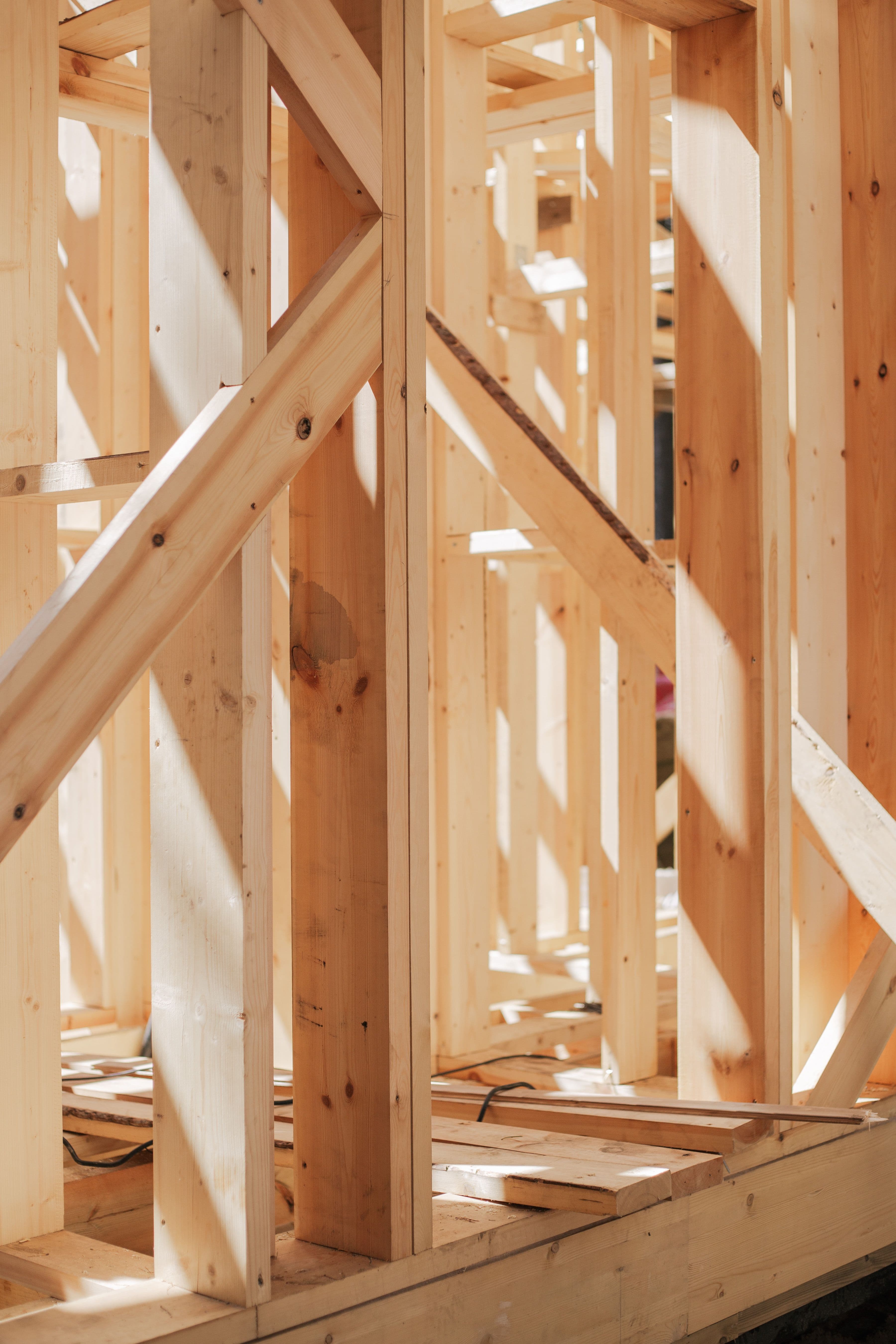
A new-build project asks an investor to manage permits, site work, construction milestones, and the final exit—long before a buyer or tenant sees the finished home.
Important disclosure. Results vary. Prior results do not guarantee future outcomes. This educational summary is not a loan commitment, financial advice, or a guarantee of approval. Any financing request is subject to underwriting, documentation, property review, and applicable lender criteria.
The scenario
An investor identified a residential lot where the local buyer and rental market supported a carefully scoped spec build. The opportunity was not just the finished-home concept. It was the ability to manage every earlier dependency: entitlement, site work, foundation, framing, mechanicals, finishes, inspections, and final disposition or lease-up.
The construction budget was organized as a sequence of verifiable milestones. This allowed the investor, builder, and lender to discuss what had been completed, what was next, and what documentation was needed before a draw request.
Why staged draws matter
Draw management does not make a project risk-free. It makes progress legible. The investor maintained invoices, lien-related documentation where required, photographs, inspection evidence, and a live comparison of budgeted versus actual costs. When a schedule item moved, the impact on contingency and the expected exit was reviewed immediately.
Kiavi’s construction guidance explains the industry pattern of releasing construction funds in stages after documented progress. This article is an original educational scenario, not a report of an Acquire Funding construction loan or a promise of any particular draw process.
Portfolio-growth takeaway
A spec home can become a repeatable model only after the investor learns which assumptions held up: build time, contractor capacity, local absorption, contingency, and the final exit. The first project should create a cleaner playbook, not pressure the team to add projects before the process is ready.
How this financing fit the strategy
- Ground-up financing can be reviewed against land basis, plans, budget, builder experience, and a defined exit strategy.
- Milestone-based requests can support clear reporting as work progresses.
- Construction and long-term rental financing are distinct reviews, even when the investor expects to hold the completed home.
Questions to ask before applying
- Are permits, plans, insurance, and contractor agreements ready for lender review?
- What contingency exists for weather, pricing changes, or inspection delays?
- How will each draw request be supported and tracked?
- Is the intended sale or rental exit supported by current, local evidence?
Sources / Further Reading
Public lender materials informed the general patterns in this story. They are provided for further reading only and do not imply endorsement or affiliation.
Explore your next project
Discuss the details behind your financing request.
Share the property, project plan, and intended exit. Summer and the team will outline the information needed for an initial review.
Start an application