Repositioning a Small Mixed-Use Asset for More Durable Cash Flow
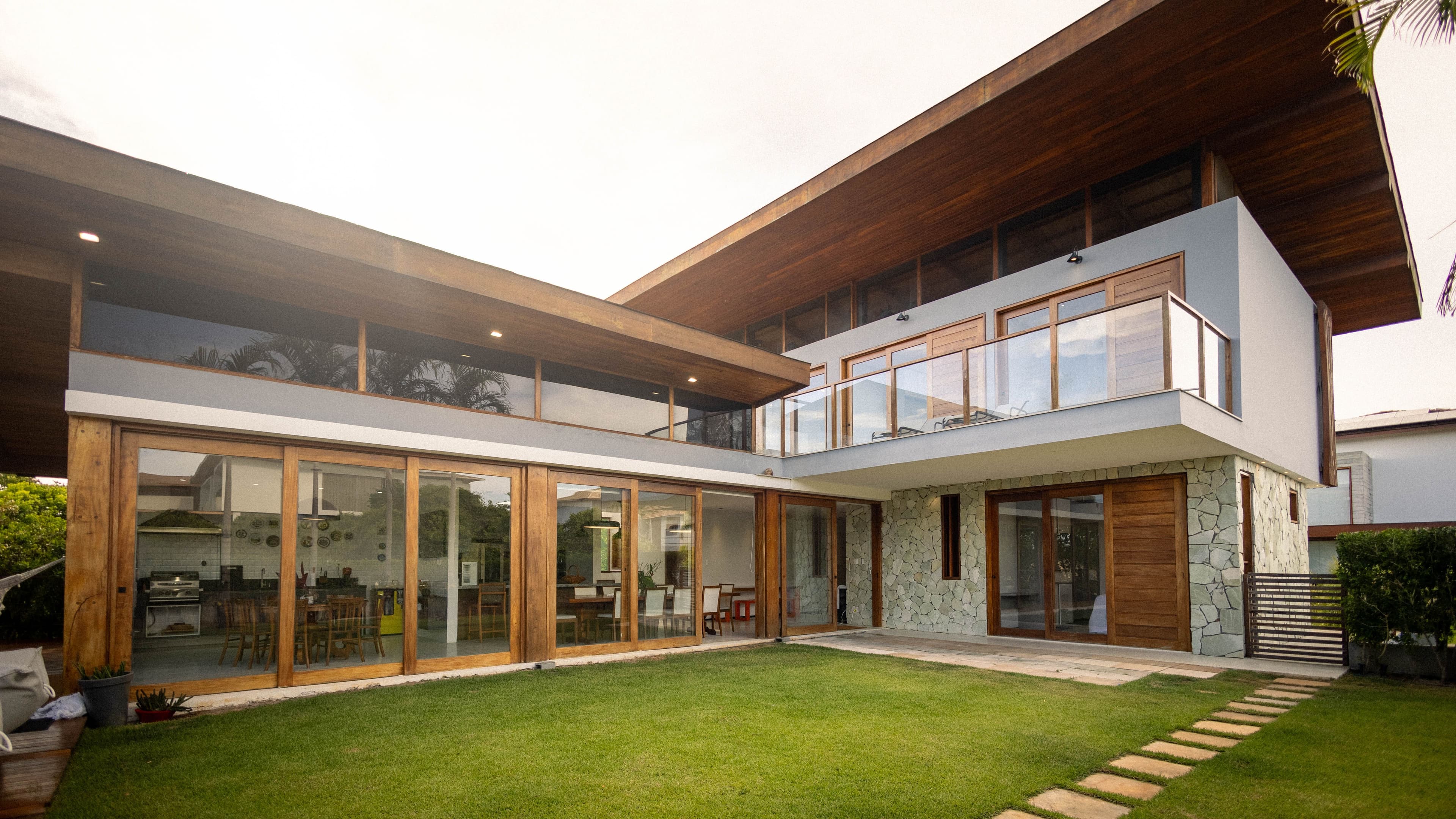
A small commercial repositioning often hinges on the work between purchase and stabilization: necessary improvements, thoughtful leasing, and a durable operating plan.
Important disclosure. Results vary. Prior results do not guarantee future outcomes. This educational summary is not a loan commitment, financial advice, or a guarantee of approval. Any financing request is subject to underwriting, documentation, property review, and applicable lender criteria.
The scenario
An owner-investor acquired a modest mixed-use property with functional space but an uneven tenant mix and deferred improvements. The strategy was not to rely on a market-wide value increase. It was to make targeted repairs, create reliable leasing materials, address tenant needs, and build cash flow through better operations.
Because commercial tenants and lease structures vary, the project required more than a construction budget. The investor tracked renewal timing, prospective tenant fit, capital improvements, maintenance obligations, and the potential gap between physical work finishing and income becoming durable.
Repositioning before a long-term decision
The owner focused first on the value drivers under their control: safe and usable space, responsible leasing, and a record of property operations. A commercial financing conversation could then be grounded in a clearer view of lease revenue, tenant concentration, expenses, and future capital needs.
RRA Capital has published a mixed-use repositioning example that discusses capital expenditures and leasing costs during a transition. That source is included as further reading, not as a claim that Acquire Funding financed the project or that its terms can be replicated.
Portfolio-growth takeaway
Commercial portfolio growth can be slower and more operationally specific than residential growth. Durable cash flow is built through leases, maintenance, tenant service, and conservative planning. Financing can support a documented strategy, but it cannot make a weak operating plan durable.
How this financing fit the strategy
- Commercial requests are evaluated with property type, leases, sponsor experience, operating history, and the proposed business plan in view.
- Improvement and leasing needs should be distinguished from ordinary operating expenses.
- Long-term financing, refinancing, and future acquisitions remain subject to separate underwriting and market conditions.
Questions to ask before applying
- Which improvements are required for safety, leasing, or tenant retention?
- How concentrated is income among tenants, uses, and upcoming lease expirations?
- What expenses or capital needs could reduce cash flow after closing?
- What evidence supports the property’s stabilized income and valuation?
Sources / Further Reading
Public lender materials informed the general patterns in this story. They are provided for further reading only and do not imply endorsement or affiliation.
Explore your next project
Discuss the details behind your financing request.
Share the property, project plan, and intended exit. Summer and the team will outline the information needed for an initial review.
Start an application